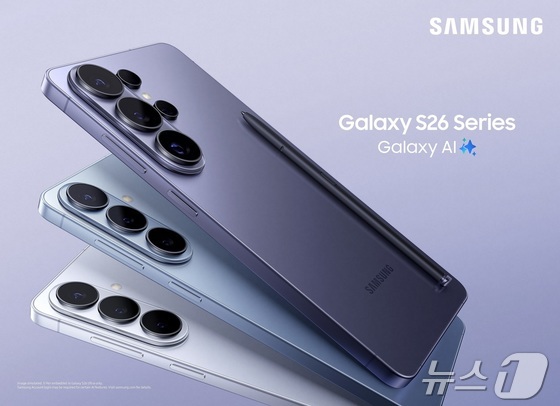
Samsung Electronics’ Device eXperience (DX) division, responsible for smartphones, TVs, and home appliances, has been hit hard by chipflation. Despite increased revenue, the division reported its first-ever operating loss since the company’s founding. On Thursday, Samsung announced that the DX division recorded an operating loss of 800 billion KRW (approximately 554 million USD) for the second quarter of 2026. While sales reached 48 trillion KRW (about 33 billion USD), a 10% increase from the same period last year, the division swung to a loss from an operating profit of 3.3 trillion KRW (around 2.3 billion USD) in Q2 2025. This downturn stems from the global shortage of memory semiconductors, which has severely impacted the Mobile eXperience (MX) division. The MX division, accounting for 70% of DX division sales and overseeing smartphones and network equipment, reported Q2 sales of 33.2 trillion KRW (about 23 billion USD), up 14% year-over-year. However, it also posted an operating loss of 700 billion KRW (approximately 484 million USD). Samsung released the Galaxy S26 on March 11, about a month later than usual, concentrating the new product launch effects in Q2. The company also raised prices, with the Galaxy S26 series in South Korea seeing increases ranging from 99,000 KRW (about 69 USD) to 295,900 KRW (around 205 USD) compared to its predecessor. These measures, however, proved insufficient against the dramatic price surges of key components. Counterpoint Research reports that the cost of dynamic random access memory (DRAM) and NAND for 800 USD smartphones skyrocketed from about 63 USD in Q1 2025 to 291 USD in Q2 2026. This 4.6-fold increase in memory prices pushed the proportion of memory costs in manufacturing from 14% to around 40%. Industry experts expect this trend to continue. TrendForce projects that contract prices for general DRAM will rise by 13-18% and NAND flash by 10-15% in Q3 2026. Morgan Stanley anticipates the upward trend in memory prices to persist until 2027. A Samsung spokesperson commented that while it saw year-over-year sales growth driven by strong flagship product performance, particularly the Galaxy S26 series, and robust A-series sales, the significant increase in component costs and industry-wide cost pressures led to a decline in operating profit.