

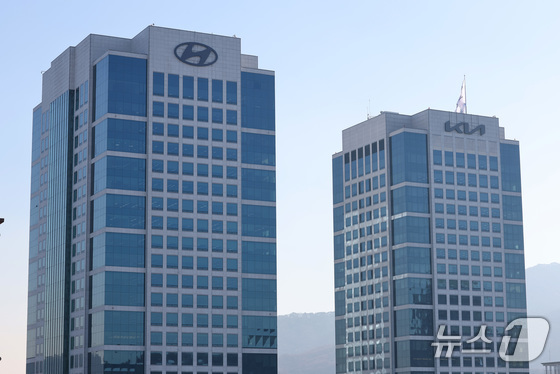
Hyundai Motor Group has submitted a letter to the U.S. government regarding the Super 301 tariff review, urging that it not be applied in addition to the existing Section 232 tariff measures.
The company emphasized that imposing additional tariffs, particularly while making substantial investments in the U.S., would not benefit the American economy.
According to automotive industry sources on Monday, Hyundai Motor Group sent its comments to the Office of the U.S. Trade Representative (USTR) on April 15. The letter argued that industries like automotive and steel are already regulated under Section 232 of the Trade Expansion Act, and any new measures should not overlap with existing ones.
Hyundai Motor Group contended that adding Section 301 tariffs to items already subject to Section 232 measures would only drive up production costs in the U.S. without boosting local production capacity, employment, or supply chain resilience. They warned that such tariffs could negatively impact the American economy.
The group plans to invest 26 billion USD in the U.S. by 2028, aiming to create about 100,000 jobs over the next three years.
The Korea Automobile & Mobility Association (KAMA) also weighed in, noting that the Korean automotive industry has generated 570,000 jobs in the U.S. over the past four decades. KAMA announced plans for an additional 26 billion USD investment from 2025 to 2028 to expand U.S. production capacity and create 25,000 more jobs.
Section 301 of the Trade Act is a key U.S. trade policy tool that allows for retaliatory measures, such as tariffs, if foreign trade practices are deemed to harm American trade interests.
Last month, the USTR launched a Section 301 investigation targeting 16 economic entities, including South Korea, as a preliminary step towards potential additional tariffs, with the automotive industry included in the scope.