

Researchers have presented a new possibility for treating degenerative eye diseases such as glaucoma and macular degeneration by rejuvenating aged eye cells and restoring them to a younger state.
The approach goes beyond simply slowing disease progression and instead focuses on “rejuvenating” the cells themselves to recover vision, drawing growing attention as a potential new treatment paradigm.
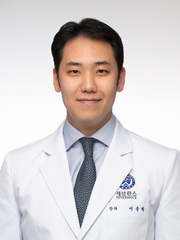
Gangnam Severance Hospital said Tuesday that a joint research team led by Professor Lee and Professor David Sinclair of Harvard Medical School published a review paper summarizing the mechanisms and clinical potential of reversing eye aging through “epigenetic reprogramming.”
The eye is one of the body’s most metabolically active organs, and retinal cells are particularly vulnerable to aging because they have little regenerative capacity. As a result, degenerative eye diseases such as glaucoma and macular degeneration are considered among the leading causes of blindness in older adults.
For decades, the medical community regarded aging as an irreversible process. Recently, however, researchers have increasingly focused on the theory that epigenetic changes — alterations in gene expression regulation rather than direct DNA damage — may be a key driver of aging.
In the paper, the research team presented epigenetic reprogramming using Yamanaka factors (OSK) as a core strategy. The technique does not completely reset cells but instead removes only the epigenetic errors accumulated in aged cells, restoring them to a younger functional state.
Previous preclinical studies conducted by Sinclair’s team showed that applying the technology to mice and nonhuman primate models restored vision that had deteriorated because of aging.
The researchers systematically outlined scientific evidence suggesting that such cellular rejuvenation technology could become a fundamental treatment alternative for glaucoma and macular degeneration.
The team also explained that applying reprogramming technology to aged retinal nerve cells could restore regenerative capacity, promote regrowth of damaged optic nerve axons and help recover visual fields.
In addition, the researchers proposed a detailed roadmap for clinical application. The paper analyzed next-generation drug delivery technologies using mRNA, exosomes and small-molecule compounds, as well as treatment dosage guidelines designed to minimize tumor formation risks.
The study also introduced the concept of a “Retinal Age Gap,” an AI-based retinal aging biomarker that measures the biological age of the retina. Researchers said the biomarker could allow treatment effects to be evaluated noninvasively.
Based on these advances, the U.S. Food and Drug Administration approved the world’s first human clinical trial involving the technology in January. Clinical studies involving glaucoma and optic neuropathy patients are currently underway.
Lee said the eye is an ideal organ for verifying the safety and effectiveness of age-reversal therapies because it is part of the central nervous system connected to the brain while also allowing relatively easy localized drug delivery and observation.
“Successfully rejuvenating eye cells could become an important milestone for expanding anti-aging treatments to other major organs such as the heart and liver,” Lee said.
The paper was published in Progress in Retinal and Eye Research, one of the world’s leading journals in ophthalmology.