

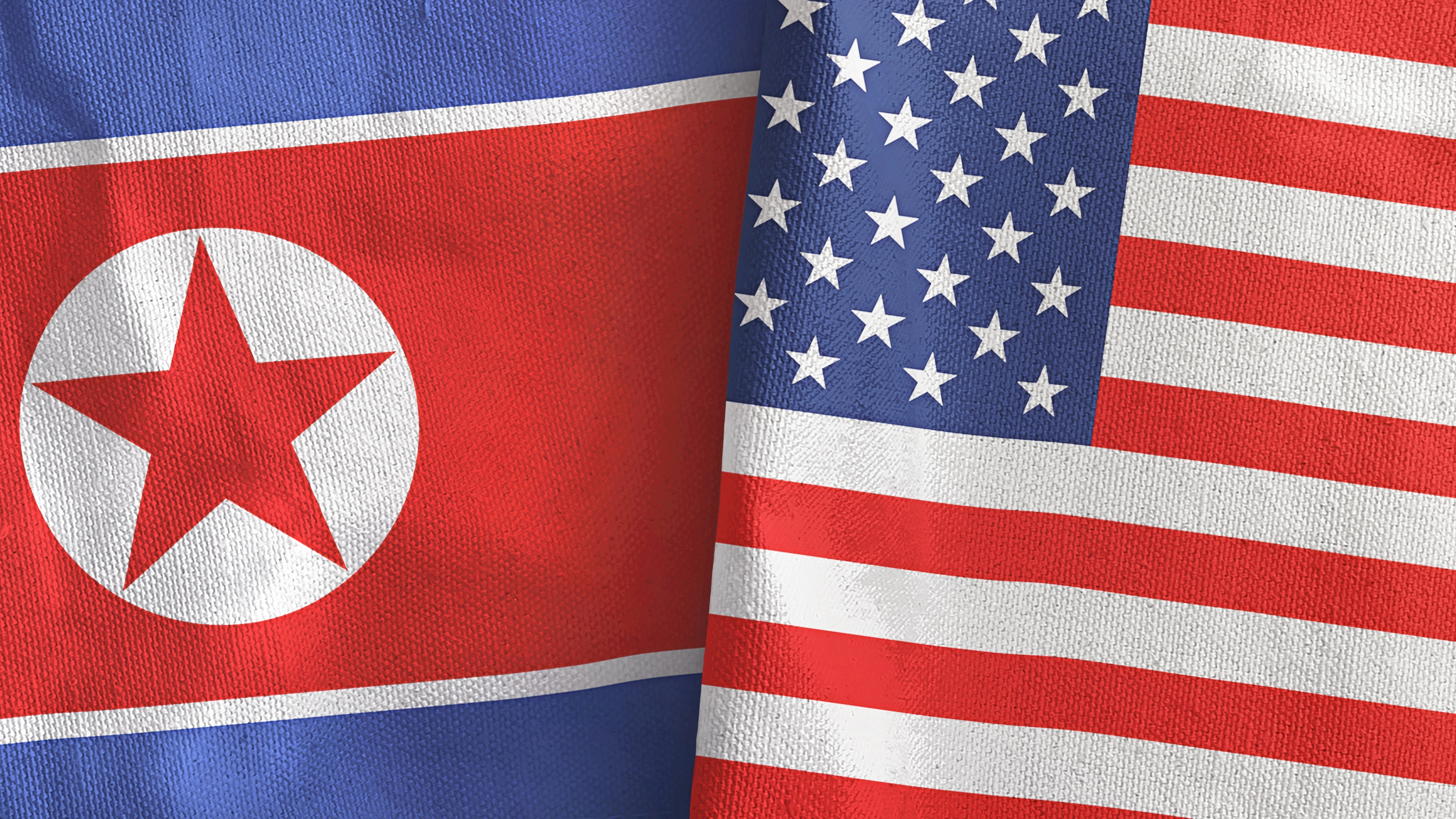
North Korea has indirectly criticized the U.S. by highlighting international cooperation in response to America’s excessive tariff policies.
On Tuesday, the ruling party’s official newspaper, Rodong Sinmun, reported that many countries are suffering due to U.S. tariff impositions. The paper added that in response, numerous nations are overcoming looming economic challenges by strengthening cooperation and collaboration.
The newspaper specifically addressed the impact of U.S. tariff policies on African countries, emphasizing their mutual cooperation. This suggests that North Korea aims to establish closer ties with key African nations.
The report noted that following the announcement of U.S. tariff measures, approximately 30,000 workers in Lesotho’s vital textile industry face unemployment. Additionally, the price of vanilla, a crucial export for Madagascar, has plummeted, threatening the viability of its cultivation.
Furthermore, African experts are advocating for increased economic resilience based on continental economic integration, utilizing frameworks like the African Continental Free Trade Area (AfCFTA), operational since 2021. The newspaper stated that this demonstrates that African nations are seeking solutions to externally imposed economic turmoil and crises through cooperation via continental organizations, rather than relying on foreign powers.
Finally, the newspaper predicted that international efforts to achieve sustainable economic development through mutual cooperation will intensify, foreseeing stronger opposition to U.S. economic policies.
Previously, the U.S. imposed tariffs ranging from 25% to 30% on exports from four countries: Libya, South Africa, Algeria, and Tunisia. Since then, South Africa, an economic powerhouse in Africa, has experienced visible tariff impacts across various industries and has strongly opposed these rates. Additionally, 15% tariffs have been imposed on 18 other African countries, including Uganda and the Democratic Republic of the Congo.