

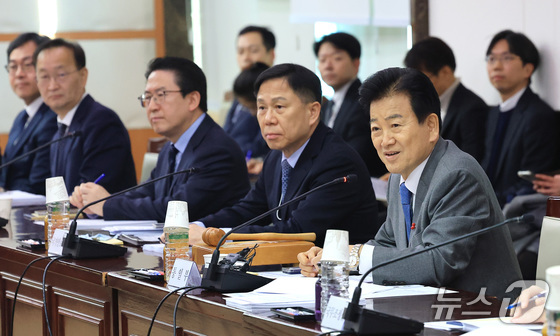
The Ministry of Unification has initiated steps to streamline the import procedures for North Korean food products. In a significant development, the Ministry of Foreign Affairs and the Ministry of Small and Medium Enterprises and Startups have also expressed interest in participating, effectively expanding this into a multi-agency collaborative effort.
According to a comprehensive report by News1 on January 31, the Ministry of Unification issued an administrative notice on January 30 for the establishment of the Notification on Import Procedures for North Korean Food Products.
The draft proposal includes the addition of representatives from the Ministry of Foreign Affairs and the Ministry of Small and Medium Enterprises to the Working Committee on Importing North Korean Food. This committee previously consisted only of officials from the Ministry of Unification, the Ministry of Food and Drug Safety, the Korea Customs Service, and the National Intelligence Service.
On January 16, the Ministry of Unification and related agencies announced proposed amendments to the Inter-Korean Exchange and Cooperation Act, along with a revised notification regarding the import of North Korean food products. These changes aim to simplify the documentation and procedures for importing North Korean goods currently in China into South Korea.
The core of this initiative is to allow the importation of goods without documentation from North Korean businesses, reflecting the government’s stance on partially resuming exchanges despite strained inter-Korean relations. However, due to sanctions concerns, financial transactions remain prohibited, with only direct barter transactions permitted.
On January 22, the government planned to finalize the notification during an in-person meeting of the Inter-Korean Exchange and Cooperation Promotion Council. However, the decision was postponed to gather input from other ministries.
Notably, the Ministry of Foreign Affairs and the Ministry of Small and Medium Enterprises expressed interest in participating in discussions. They cited the need for cooperation with overseas diplomatic missions during the importation process and the necessity to assess the impact on domestic small businesses and micro-enterprises.
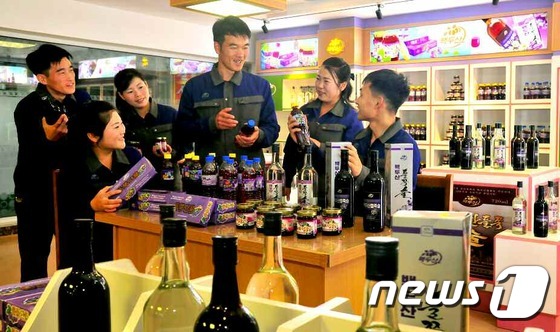
The government has pursued this notification amendment to promote private-sector exchanges in the current climate of severed inter-Korean relations.
The amendment focuses on easing documentation and local inspection requirements for private traders importing North Korean food while strengthening safety inspections for these products.
The expanded working committee, now including representatives from the Ministry of Foreign Affairs and the Ministry of Small and Medium Enterprises, will address issues such as verifying North Korean manufacturing sites, authenticating documents submitted by the private sector, and overseeing local inspection processes.
The government plans to hold a written meeting of the council next week to finalize the notification.
However, even with the establishment of this notification, products like Koryo Soy Sauce and Deuljjuk Liquor, which are currently in the process of being distributed domestically, are not expected to enter the market immediately.
Last September, a private businessman imported 3,500 bottles of North Korean liquor, including soy sauce, into South Korea with the Ministry of Unification’s approval through a Chinese intermediary. However, these goods have been held at customs for about four months due to documentation issues raised by the Ministry of Food and Drug Safety.
A government official explained that for North Korean food products to fully enter the domestic market, even after the notification is established, it will be necessary to verify compliance with import approval conditions. This includes ensuring that transactions were conducted through barter rather than financial means.