

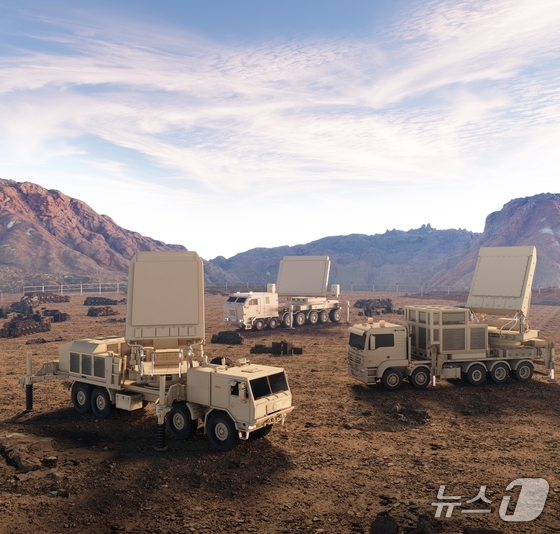
South Korea’s Defense Acquisition Program Administration has approved a revised development plan for the Korea Iron Dome, a long-range artillery interception system designed to counter growing threats from North Korean artillery.
The approval came during the 174th Defense Acquisition Promotion Committee meeting, where officials deliberated on four agenda items: the revised interception system project strategy, an updated Link-22 implementation plan, an SM-3 missile procurement proposal, and a 2026-2030 defense industry development blueprint.
The long-range artillery interception system is a core component of South Korea’s three-pronged defense strategy against North Korean nuclear and missile threats, alongside the Kill Chain and Massive Punishment and Retaliation systems. With a budget of $631.5 million through 2030, the project is aimed at improving the survivability of key military installations and strengthening joint operational readiness against large-scale artillery attacks.
The Link-22 initiative would upgrade the existing Link-11 system, enhancing tactical data sharing in joint maritime operations. The revised plan adjusts both budget and timeline following a feasibility reassessment. The upgrade promises faster data transmission, greater capacity, extended range, and improved jamming resistance — critical for strengthening interoperability with U.S. forces. The project, valued at $444 million, is slated for completion by 2031.
The SM-3 acquisition program focuses on equipping Aegis destroyers with interceptors capable of neutralizing intermediate-range ballistic missile threats. The $564.75 million Foreign Military Sales deal is set to conclude by 2031.
Officials also approved a comprehensive five-year defense industry development plan covering 2026 to 2030, to be implemented through three core policy directives and 10 key initiatives.