

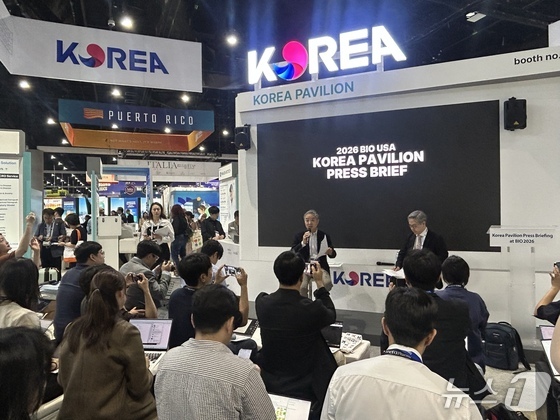
Global biotech landscape is undergoing a complete restructuring. For Korea’s biotech industry to maintain competitiveness, this is a golden time.
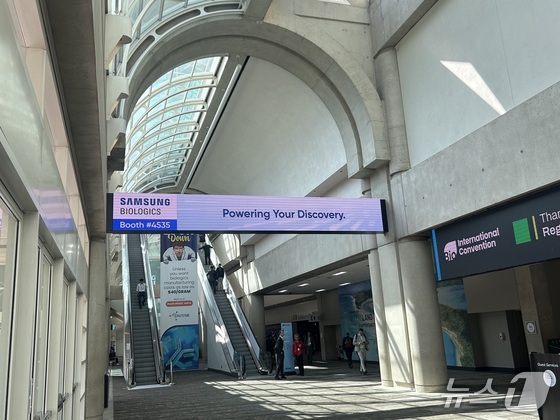
Lee Seung-gyu, Executive Vice Chairman of the Korea Biotechnology Industry Organization, made the remarks on the 22nd at the BIO International Convention 2026 held at the San Diego Convention Center in California, USA. His comments underscored the need for sustained efforts to counter China’s growing dominance.
The BIO USA, which began on the same day, is the world’s largest biotech event hosted by the Biotechnology Innovation Organization (BIO). This year’s theme is “Driven By Purpose,” and around 20,000 participants—including global pharmaceutical companies, biotech firms, investment institutions, and research organizations—are expected to attend. It is often referred to as the “Olympics of the biotech industry.”
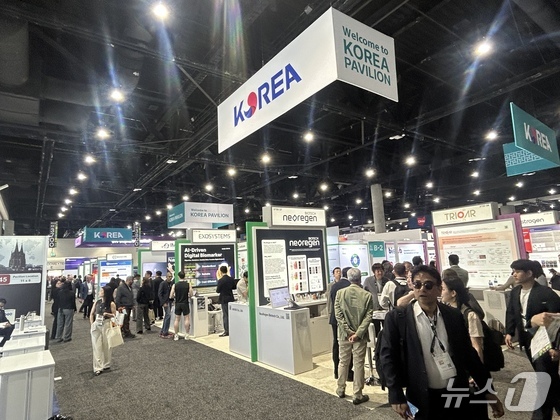
The Korea Biotechnology Industry Organization is supporting the global expansion of domestic companies through the Korea Pavilion, which has been operated for 23 years. A total of 51 Korean companies and institutions are participating, and 29 companies will present their drug pipelines, platform technologies, and R&D achievements at the open stage during the event.
Lee said the key themes of this year’s event are U.S.–China supply chain fragmentation, rising standards in investment and M&A markets, and the industrialization of artificial intelligence (AI).
He noted that China’s pipeline size is currently about three-quarters of that of the United States. He added that Chinese companies’ increasing technology exports are driven by their ability to secure sufficient clinical data through Phase 2 trials or later.
Lee also took a sober view of the current situation facing biotech startups struggling with an investment drought, emphasizing the need for policies supporting Phase 2 clinical trials.
Lee said, “In Korea, many substances are still at the preclinical stage, but investment has nearly stalled, making it difficult,” adding, “A strong Phase 2 support program in the form of matching funding is urgently needed.”
Another major topic at this year’s BIO USA is AI. While AI previously focused on introducing the technology itself, attention has now shifted toward validating real-world commercialization results.
Accordingly, key discussions include how AI-based drug discovery shortens candidate identification timelines, and how much it improves efficiency in clinical trial design and patient recruitment. Korean companies—including AI drug discovery firms and medical AI companies—are exploring collaboration opportunities with global big pharma.
Lee emphasized that “from this year onward, AI is being directly applied in the field, and we are seeing how much it improves clinical success rates and reduces costs.”
For the first time, this year’s event also features an official session dedicated to the Korean biotech industry, focusing on Korea’s innovation ecosystem, global commercialization achievements, and future cooperation opportunities.
Lee said, “We can feel the growing global status of Korea’s biotech industry on the ground,” adding that “as domestic companies present and hold lectures, this is an opportunity we must seize as global pharmaceutical companies turn their attention to Asia.”
He also urged that attention should not only go to large conglomerates already active globally, but also to small biotech companies pursuing opportunities with strong ideas.