

“I usually wait at least two or three hours to see my doctor. There are so many patients like me that I feel it’s impossible to ask questions.” — A, a head and neck cancer patient in their 70s
A new study has found that the challenges cancer patients face extend well beyond the disease itself, highlighting widespread concerns about limited communication with physicians, emotional distress, and inadequate support throughout treatment.
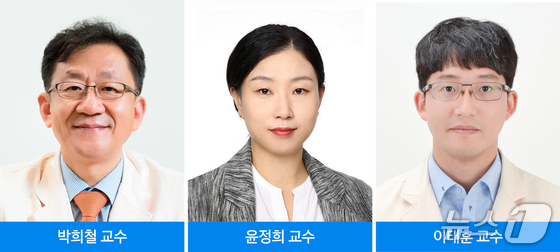
Researchers led by Dr. Hee Chul Park and Dr. Tae Hoon Lee of the Department of Radiation Oncology, together with Dr. Jung Hee Yoon of the Samsung Medical Center Quality of Life Research Institute, published the findings in the European Journal of Oncology Nursing on July 27.
The research team conducted in-depth interviews with patients undergoing radiation therapy between March 2024 and March 2025.
Participants included nine patients with head and neck cancer, eight with liver cancer, and seven with lung cancer. During interviews lasting 30 to 50 minutes, patients discussed their experiences before, during, and after treatment.
A lack of information and communication emerged as the most common concern.
Many patients said long waiting times were followed by only brief consultations, leaving little opportunity to ask questions or fully understand their treatment. Several also reported struggling to understand medical terminology and relying on their children to interpret doctors’ explanations.
Patients described unfamiliar radiation equipment and treatment procedures as another major source of anxiety.
One head and neck cancer patient in their 50s recalled experiencing severe claustrophobia while being fitted for a radiation therapy mask.
“I’ve never had trouble with confined spaces before, but when they made the mask, I suddenly felt overwhelmed by claustrophobia,” the patient said.
The burden continued outside the treatment room.
Because radiation therapy typically requires repeated visits over several weeks, patients living alone reported feeling especially vulnerable due to a lack of emotional support and caregiving assistance.
A head and neck cancer patient in their 40s said they worried about managing treatment alone as time went on.
“I’m doing okay living alone for now, but I’m worried that eventually I won’t be able to handle everything by myself. My parents live far away and are elderly, so I don’t want to burden them,” the patient said.
The researchers concluded that these challenges reinforce one another.
Insufficient information increases anxiety, while treatment side effects and the burden of frequent hospital visits can interfere with daily life and recovery.
The team recommended providing patients with clear, stage-specific education throughout treatment to help them better understand what to expect and prepare accordingly.
They also emphasized the need for systems that regularly monitor side effects and patients’ psychological well-being, as well as tailored support for individuals who live alone or must travel long distances for treatment.
“Patients need support not only to receive treatment, but also to understand it, prepare for it, and maintain their daily lives,” Dr. Park said. “Cancer care should include step-by-step explanations and emotional support so that patients’ questions and anxieties are not overlooked.”
Samsung Medical Center operates a dedicated cancer hospital that provides specialized care for patients with stomach, breast, lung, and other types of cancer, offering services ranging from diagnosis and surgery to chemotherapy and radiation therapy.