

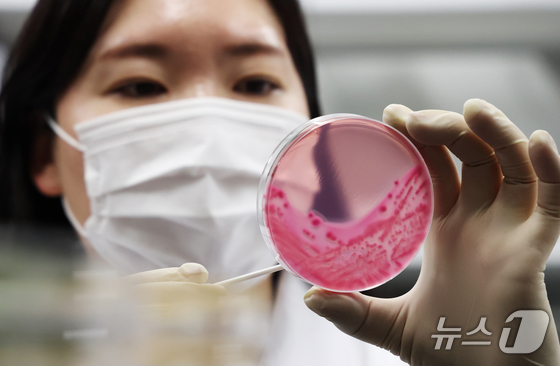
Salmonella food poisoning cases have risen for five consecutive years, and norovirus infections have surged, resulting in nearly 10,000 food poisoning patients last year.
While the number of food poisoning incidents linked to eggs and poultry products was relatively low, many of these cases led to large-scale outbreaks, highlighting the need for increased vigilance.
The Ministry of Food and Drug Safety released its 2025 Food Poisoning Occurrence Statistics on Friday, reporting 319 food poisoning incidents last year, affecting 9,780 individuals. This represents a 20% increase in incidents and a 28% rise in patient numbers compared to the previous year.
September saw the highest number of cases at 45 (14%), with 1,475 patients affected. August followed with 42 cases, and July with 37, indicating a concentration of incidents during the summer months.
However, winter food poisoning cases also increased compared to the previous year, largely due to a norovirus outbreak during the colder months.
Restaurants accounted for the majority of incidents with 192 cases, representing 60% of the total. Group meal services outside of schools followed with 47 cases, and schools with 36 cases.
The Ministry noted that as dining out becomes more prevalent, restaurant-related food poisoning consistently accounts for over half of all incidents annually. Korean cuisine establishments, lunch box vendors, and sushi restaurants were identified as high-risk locations.
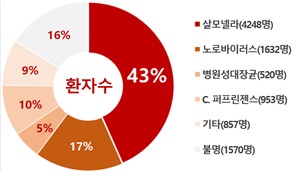
Salmonella emerged as the leading pathogen, responsible for 79 cases and 4,248 patients, accounting for 43% of all cases. Norovirus cases increased by 31 to 68, while Salmonella cases rose by 21, underscoring a significant upward trend.
Salmonella food poisoning has shown a consistent increase over the past five years. Cases rose from 32 (1,561 patients) in 2021 to 44 (1,235 patients) in 2022, 48 (2,549 patients) in 2023, 58 (1,907 patients) in 2024, and reached 79 (4,248 patients) last year.
In cases where the food source was identified, complex prepared foods, including school meals and kimbap (Korean rice rolls), accounted for 62 cases and 3,260 patients. Although poultry-related incidents numbered only 14, they affected 2,392 patients, representing 24% of the total, indicating a high potential for large-scale outbreaks.
Geographically, Gyeonggi Province reported the highest number of cases (53), followed by Busan (39) and Seoul (34). When adjusted for population, Daejeon, Jeju, and Chungbuk provinces had the highest rates of infection per million residents.
The Ministry emphasized the importance of thorough hand washing after handling eggs to prevent cross-contamination. They advised cooking eggs and egg-based dishes to an internal temperature of at least 75°C (about 167°F) for over one minute before consumption.
Additionally, the Ministry stressed the need to use separate utensils and cutting boards for different ingredients and to avoid leaving cooked foods at room temperature for extended periods, urging strict adherence to basic food safety practices.
To promote food safety awareness, the Ministry is championing the Sonboogugaese campaign, which emphasizes five key rules for preventing food poisoning: Hand washing, proper Storage temperatures, Separate use of utensils, thorough Heating, and regular Cleaning and disinfection. They assert that following these basic guidelines can significantly reduce the risk of food poisoning, especially during the summer months.