CarBuzz, a prominent U.S. automotive publication, has praised Hyundai, Kia, and Genesis for rapidly closing the gap in product quality with luxury brands from Germany and other markets.
CarBuzz provides vehicle reviews and car-buying information and has more than 6 million monthly readers and approximately 7.5 million social media followers.
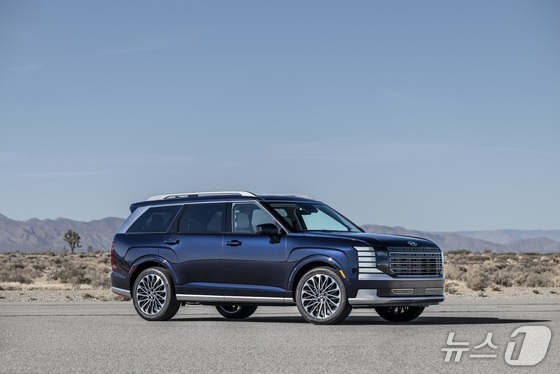
According to Hyundai Motor Group, CarBuzz praised the Hyundai Palisade Hybrid in a recent review, saying its smooth ride and quiet cabin were difficult to distinguish from those of luxury SUVs priced at $100,000 or more.
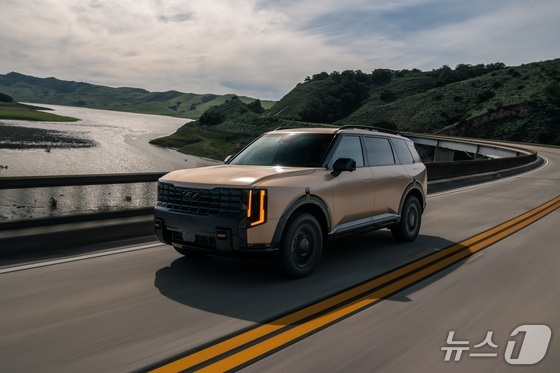
The publication added that the Palisade and Kia Telluride are smart choices for consumers seeking luxury-level comfort and design combined with reasonable fuel economy and pricing.
As evidence of Hyundai Motor Group’s improving product competitiveness, CarBuzz cited data from J.D. Power’s five most recent years of its Automotive Performance, Execution and Layout (APEAL) Study. The study measures satisfaction among new-vehicle owners based on factors including design, performance, comfort, and technology experiences.
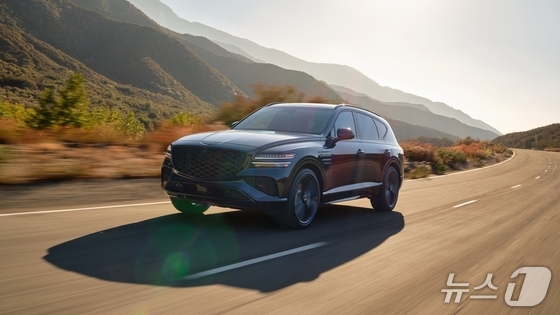
According to CarBuzz’s analysis, Genesis recorded scores ranging from 869 to 886 points over the past five years. The publication noted that Genesis scored higher than Mercedes-Benz, Lexus, Audi, Volvo, Acura, and Infiniti in multiple years, saying the brand is “no longer an underdog” and has firmly established itself among the top tier of the luxury market.
Hyundai and Kia have also maintained scores around 850 points, narrowing the gap with premium brands. In 2026, Hyundai scored 858 points, 12 points behind Lexus and 18 points behind Mercedes-Benz. Kia scored 857 points, narrowing its gap with Volvo to just six points.
In some years, Hyundai and Kia also received higher scores than Audi, Acura, or Infiniti.
CarBuzz also highlighted Hyundai Motor Group’s manufacturing capabilities. The company has been increasing investment in AI-powered robotics and next-generation production automation technologies while working with Boston Dynamics to improve manufacturing efficiency and production flexibility.
Its ability to produce steel in-house was also cited as a competitive advantage, helping the company respond to fluctuations in raw-material prices.
Meanwhile, Hyundai reported second-quarter revenue of approximately $36.0 billion and operating profit of approximately $2.09 billion.
Kia reported second-quarter revenue of approximately $24.17 billion and operating profit of approximately $1.92 billion.