

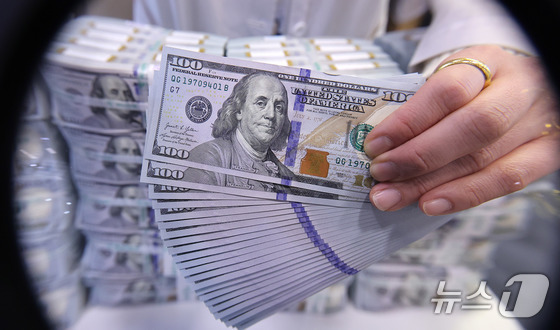
Global investors are once again gravitating towards the USD. While oil prices are expected to decline, analysts predict that the artificial intelligence (AI) boom and the relative robustness of the U.S. economy will likely prompt the Federal Reserve to maintain its high interest rate policy.
The Financial Times (FT) reported on Wednesday that, according to data from the Commodity Futures Trading Commission (CFTC), bets on a stronger dollar in the futures market surged last week. This marks the largest increase since 2018 and the highest level in a year.
JPMorgan interprets this trend as a resurgence of investor confidence in U.S. exceptionalism – the belief that the United States is fundamentally distinct and more resilient than other nations, particularly during times of crisis.
Since the outbreak of hostilities in Iran, the dollar has appreciated by over 2% against major currencies. Despite expectations for a resolution to the conflict, the greenback’s depreciation has been limited. Market analysts attribute this to the continued focus on the solid performance of the U.S. economy. Stephen Englander of Standard Chartered asserts that concerns about the labor market are overstated, and the U.S. economy is demonstrating remarkable resilience.
The U.S. stock market has also gained momentum, buoyed by SpaceX’s anticipated initial public offering (IPO) and the ongoing AI frenzy, further bolstering the dollar’s strength. This stands in stark contrast to the previous year when the dollar was rattled by Trump’s erratic trade policies.
May saw the creation of 172,000 new jobs, doubling Wall Street’s projections, while core inflation climbed to 2.9%. The market, which had anticipated a rate cut by the Fed earlier this year, now leans towards expectations of a rate hike as the Fed’s next move. Even with a ceasefire agreement between the U.S. and Iran, investors are pricing in a 0.25 percentage point increase by March of next year.
The Federal Reserve, under the leadership of new Chair Kevin Warsh, is expected to announce its first interest rate decision early on Thursday, maintaining the current rate. This signals a further retreat from its previous rate-cutting stance. In contrast, the FT reports that the Eurozone and the U.K., which are heavily reliant on energy imports, are seeing expectations for rate hikes diminish more rapidly.