

The epilepsy drug cenobamate has been shown to reduce seizure frequency in adults with drug-resistant epilepsy in real-world clinical practice. As treatment effectiveness has been demonstrated in real-world data that included many patients whose seizures were difficult to control, attention is also turning to patient-reported benefits such as quality of life and cognitive function, beyond seizure reduction alone.
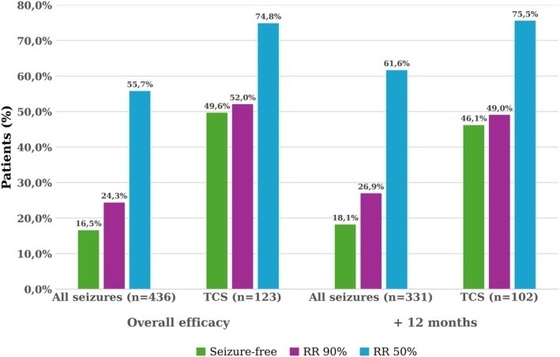
According to a study recently published in the international journal Epilepsia Open, researchers from three specialized epilepsy centers in the Czech Republic analyzed real-world data from 500 adults with drug-resistant epilepsy who received cenobamate. Among the 331 patients who could be evaluated through 12 months, 61.6% experienced a reduction of at least 50% in overall seizure frequency.
A total of 26.9% of patients experienced a reduction of at least 90%, while 18.1% became completely seizure-free. Among all patients included in the analysis, 83.4% had highly refractory epilepsy, meaning their seizures had continued despite treatment with multiple antiseizure medications.
Cenobamate also demonstrated a reduction in tonic-clonic seizures (TCS). Among 102 patients who could be evaluated at 12 months, 75.5% experienced at least a 50% reduction in TCS frequency, while 49.0% experienced a reduction of at least 90%. TCS seizures were completely eliminated in 46.1% of patients.
Another study examined changes in quality of life and cognitive function in addition to seizure reduction. Published in the international journal Epilepsy & Behavior, the study by researchers at Vall d’Hebron University Hospital in Spain analyzed six months of outcomes in 106 adults with drug-resistant epilepsy who received cenobamate.
The median monthly seizure frequency fell from three seizures before treatment to 0.66 seizures after six months. During follow-up, 26.5% of patients experienced no seizures. The reduction in seizure frequency was significantly associated with improvement in the mental health component of the SF-36, a health-related quality-of-life assessment tool. The median score on the T-MoCA cognitive assessment also increased slightly, from 16 to 17 points.
These findings suggest that epilepsy treatment outcomes should be assessed not only by seizure frequency but also by factors affecting patients’ daily lives, mental health and cognitive function. Because seizures can occur unpredictably, they can affect social activities, employment and personal relationships. Reducing seizure frequency and extending seizure-free periods can therefore be meaningful for helping patients regain aspects of their daily lives.
However, real-world clinical data differ from randomized controlled trials because patient populations and treatment conditions can vary. The findings also need to be interpreted in light of the fact that some analyses included only patients who were available for follow-up. Although improvements in quality of life and cognitive function were associated with reduced seizure frequency, the findings do not establish that cenobamate directly caused those improvements.
In South Korea, preparations are underway for the launch of cenobamate. Developed by SK Biopharmaceuticals, cenobamate is marketed in the United States under the brand name Xcopri, while Dong-A ST is responsible for regulatory approval and commercialization in South Korea. Dong-A ST obtained domestic marketing approval in November last year and is currently pursuing reimbursement listing under the national health insurance system.
Cenobamate is an epilepsy drug developed by SK Biopharmaceuticals, which led the program from candidate discovery through clinical development. It is an antiseizure medication that suppresses seizures by regulating abnormally excessive neuronal signaling in the brain.