A recent report has highlighted an intriguing culinary trend in North Korea: the rising popularity of Kyiv-style cuisine at Pyongyang’s hotels. This development showcases the increasing presence of European dishes in the daily lives of North Koreans. While foreign foods, particularly Russian cuisine, are gaining traction among the elite and in tourist hotspots, it’s especially fascinating that a dish named after Ukraine’s capital has become a hit in Pyongyang, as noted on Thursday.
The latest issue of North Korea’s culinary magazine, Chosun Cuisine, published for the first quarter of 2026, featured a mouthwatering Kyiv-style chicken cutlet. The magazine revealed that this dish has become a crowd-pleaser at the Pyongyang Hotel in the city’s central district, ranking high among the foreign cuisines served to guests.
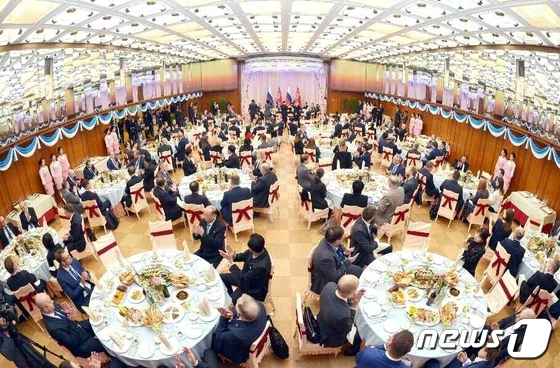
This delectable dish consists of chicken breast wrapped around a pat of butter, then coated in a crispy layer of egg and breadcrumbs before being fried to golden perfection. While it’s described as a breaded fried chicken dish, it’s more likely to grace the tables of upscale hotels and banquet halls rather than home kitchens.
The magazine proudly boasts that the Pyongyang Hotel not only serves up traditional fare but also whips up foreign cuisine to a high standard, hinting at a growing appetite for international flavors among North Korean diners.
As North Korea and Russia cozy up, there’s a noticeable trend of Russian foods and decadent desserts making waves among the elite. This culinary exchange seems to be part of a broader pattern of strengthened diplomatic and military ties between the two nations.
Interestingly, North Korea’s promotion of a dish named after Ukraine’s capital as a popular menu item may reflect its stance of not formally recognizing Ukraine as a legitimate state. State-run media, including the Rodong Sinmun, often refer to the Ukrainian government led by Volodymyr Zelenskyy as the Kyiv puppet authorities.
Since the 8th Party Congress, North Korea has been pushing for a major shift in its agricultural focus. Instead of corn and potatoes, the nation is now emphasizing increased cultivation of wheat and barley, encouraging residents to embrace new eating habits. Kim Jong Un himself set specific goals during a speech in September 2021, calling for a nationwide doubling of wheat and barley planting areas.
It’s also worth noting that North Korean media regularly features various European cuisines. This issue includes a handy glossary explaining terms related to foreign dishes, including classics like pudding, fondue, and ratatouille.
Last year, the magazine even covered the Gelato World Cup, giving readers a taste of international frozen treats. It reported on the Swiss team’s innovative creation, which wrapped cooked rabbit meat in corn dough and paired it with saffron gelato. Not to be outdone, the Spanish team showcased their creativity by using a mixture of olive oil and gelatin to craft fish roe-shaped confections.
These culinary trends suggest that North Korea is strategically expanding its repertoire of foreign foods to boost its image and elevate its tourism and hospitality standards. While the changes in food culture are still limited to certain social classes and venues, they indicate a gradual shift in the nation’s palate.
There are also signs that younger generations in North Korea are developing more diverse tastes. Since 2022, the country has been hosting an annual Flour Food Exhibition, showcasing a variety of wheat-based dishes. Alongside staple foods, the exhibition has been tempting visitors with simple desserts and snacks, including freshly baked bread, cookies, and even trendy waffle hot dogs.