

Yonsei University School of Medicine has been awarded a government research and development (R&D) grant to develop an artificial intelligence (AI) platform for autism screening.
The university announced on Wednesday that it has been selected for the 2026 Public Research Outcomes Demonstration Project, spearheaded by the Ministry of Science and Information and Communications Technology (ICT) and the Korea Technology and Information Promotion Agency.
This initiative aims to validate laboratory research in real-world industrial settings and support its commercialization. The project, which began last month, will span 33 months, concluding in December 2028. The total funding amounts to approximately 13.235 billion KRW (about 9.01 million USD).
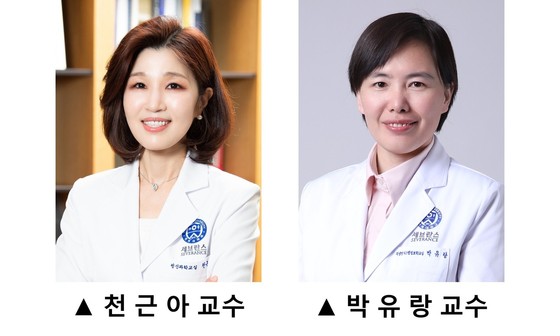
Dr. Geun-a Cheon from Severance Hospital’s Department of Child and Adolescent Psychiatry will lead the research team, collaborating with Dr. Park Yu-rang from Yonsei’s Department of Medical System Information and software company Hurey Positive.
The team’s goal is to create a multimodal AI-based platform that integrates fundus imaging and developmental behavioral markers to screen for autism characteristics. They aim to make this technology available for practical use in clinical settings and homes.
Fundus examination, a non-invasive procedure that takes less than five minutes, captures eye images that can indicate structural and functional aspects of the central nervous system.
Recognizing the importance of early detection and intervention in autism spectrum disorder, the researchers are focusing on making this AI-powered assessment tool easily accessible in primary care and home environments.
Current autism diagnosis often relies on time-consuming parent questionnaires and specialist evaluations, which can delay early screening. This is particularly challenging in infants, where symptoms may be subtle.
The team has already published their findings in JAMA Network Open and secured a patent (application number: 1020240051727, filed April 17, 2024). They plan to leverage this scientific and technical foundation to develop a more refined AI platform.
The researchers will enhance the AI system by optimizing existing algorithms, incorporating clinical data, and validating its effectiveness with actual patients to improve diagnostic accuracy.
Their aim is to achieve a Technology Readiness Level (TRL) of 7 or higher, indicating the platform is ready for immediate deployment. On the 1-9 TRL scale, a score of 7 or above signifies commercial viability.
Dr. Cheon emphasized that autism spectrum disorder, which stems from atypical neurodevelopment in early brain formation, requires the earliest possible identification to initiate effective interventions. The AI tool, being non-invasive and quick, has the potential to significantly improve early screening and timely treatment initiation.