


Former North Korean Chargé d’Affaires to Kuwait, Ryu Hyun-woo, alleged that North Korea received approximately 25 million USD for providing Iran with tunnel design and technology in the early 2000s.
According to the June issue of North Korean Economic Review released by the Korea Development Institute (KDI) on Thursday, Ryu mentioned Iran’s Shia Belt (Crescent Belt) strategy during a recent interview with KDI. This strategy aims to expand Iran’s influence in the Middle East by establishing a pro-Iranian Shiite network.
Ryu claimed that North Korean tunnel technology has been significantly applied to underground nuclear facilities in areas such as Natanz and Isfahan.
While it has been known that North Korea shared expertise in military tunnel design and excavation techniques with Iran, this is the first time a specific amount for transferring tunnel technology has been disclosed.
However, Ryu assessed that it’s unlikely North Korea directly transferred tunnel technology to pro-Iranian armed groups like Hezbollah in Lebanon or Hamas in Palestine.
Ryu emphasized that many media outlets discuss North Korea-Hezbollah and North Korea-Hamas connections, but this is inaccurate. He stated that one of North Korea’s fundamental diplomatic principles is non-interference in domestic affairs.
He noted that recognizing Hamas, which opposes the Palestinian government, could put North Korea in a diplomatically precarious position. Ryu added that Hezbollah is also a separate armed political entity from the Lebanese government.
Given North Korea’s ambassador-level diplomatic relations with the Lebanese government, establishing direct ties with Hezbollah would be challenging.
Ryu suggested that Iran may have transferred North Korea’s tunnel technology to Hamas and Hezbollah.
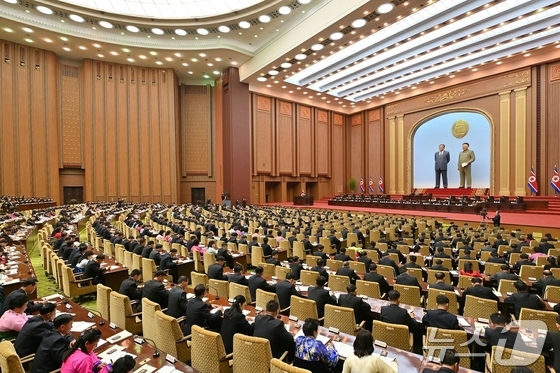
North Korea Shows Signs of Gradual Deviation from Socialist Principles, Trending Towards Partial Market Economy
KDI’s analysis of North Korea’s recent constitutional amendment, made during the 15th Supreme People’s Assembly in March, indicates a trend of gradually moving away from socialist principles and partially recognizing market economy and private ownership.
In a report titled, Review of Economic Provisions in North Korea’s Constitutional Amendment, KDI highlighted changes to Article 21.
KDI explained that by removing provisions that defined sources and types of individual income as household farming and personal side businesses, the amendment simplified the basis to income legally obtained by individuals.
They interpreted this as the state’s attempt to formalize personal economic activities formed through markets, suggesting some level of recognition for the private economy within manageable bounds.