

Seven years after the Constitutional Court ruled that criminalizing abortion violates the constitution, the government has officially set in motion plans to integrate abortion medication into the regulated healthcare system.
Officials are working to approve medication for use within the first nine weeks of pregnancy. For the initial two-year period, doctors will prescribe and dispense the drug directly at medical facilities.
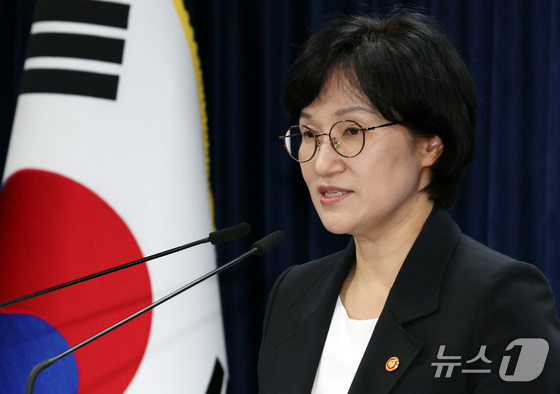
On Wednesday, the Ministries of Gender Equality and Family, Health and Welfare, and Food and Drug Safety presented this plan for introducing medical abortion drugs at the 14th National Policy Coordination Meeting in Seoul.
This move aims to address the legal vacuum left by the Constitutional Court’s 2019 decision on the unconstitutionality of abortion laws.
The issue gained urgency after President Lee Jae Myung, during a July 14 Cabinet meeting, highlighted the risks women face when resorting to overseas drug purchases. He stressed that the government’s inaction was irresponsible, spurring official discussions.
Hyundai Pharmaceutical had previously sought approval for the abortion pill Mifegymiso (containing mifepristone and misoprostol) three times between 2021 and 2024. However, the process stalled due to the need for amendments to existing laws, including the Maternal and Child Health Act.
Progress was made on August 19 when the Ministry of Justice interpreted that drug approval could proceed even without explicit mention of medication in the Maternal and Child Health Act. They determined that if safety and efficacy requirements are met, the Ministry of Food and Drug Safety can approve abortion drugs.
The Ministry of Food and Drug Safety is currently reviewing import applications for the medication, which is intended for use within the first 63 days, or nine weeks, of pregnancy. Their assessment will cover safety, effectiveness, quality, and post-market risk management.
The government plans a phased implementation. For the first two years, doctors will prescribe and dispense the medication in medical settings. After this period, they’ll review side effects and safety data to consider expanding access.
Officials note that the absence of approved medications has led to underground distribution, resulting in the use of unverified drugs and financial strain. The new plan aims to monitor drug use and ensure proper medical oversight throughout the process.
Minister of Gender Equality and Family Won Min-kyung stated that this addresses a gap in healthcare access. It anticipates safer abortion procedures and reduced socio-economic burdens for women under the national healthcare system.
Health and Welfare Minister Jeong Eun-kyung pledged to establish safe conditions for abortion medication use following approval.
Food and Drug Safety Minister Oh Yoo-kyung emphasized that it will meticulously review the approval application, prioritizing public safety.