

Attention Deficit Hyperactivity Disorder (ADHD) medications are increasingly being misused among teenagers, often due to the misconception that they’re smart drugs. This growing trend has prompted the Ministry of Food and Drug Safety to take action, expanding education programs for youth and implementing artificial intelligence (AI)-powered monitoring of ADHD drug prescriptions and distribution.
ADHD Medication Prescriptions Double in Four Years, Raising Misuse Concerns
A recent survey by the Korea Youth Policy Institute, involving 3,384 middle and high school students nationwide, revealed that 5.2% of respondents had used prescription drugs, including ADHD medications, appetite suppressants, sleep aids, and anti-anxiety medications, for non-medical purposes. This rate surpasses the 4.2% who reported having smoked tobacco.
Among those who used prescription drugs in the past six months, ADHD medications were the most common (24.4%). Alarmingly, 23.1% reported using them more than 20 times, while 7.6% used them 6-19 times. This trend suggests a growing misperception of these drugs as academic performance enhancers and weight loss aids.
Ministry data shows that prescriptions for methylphenidate, a key ADHD medication ingredient, more than doubled from 140,259 patients in 2020 to 336,810 in 2024. From 2020 to May 2024, 55.8% of all prescriptions (about 150.85 million pills) were for patients under 10 years old.
Recognizing the severity of this issue, the Ministry has developed a comprehensive strategy to reduce demand, restrict supply, and enhance oversight. Minister Oh Yoo-kyung personally emphasized that there’s no such thing as a study drug. Studying is done with your brain, not with pills, urging restraint against indiscriminate use.
Minister Oh Acknowledges Severity, Stresses Importance of Preventive Education
In a recent YouTube interview on the “Knowledge Inside” channel, Minister Oh expressed concern about public misconceptions regarding ADHD. She noted that various factors, including relaxed diagnostic criteria, have contributed to the increase in prescriptions, and she’s deeply troubled by the perception of ADHD medications as study drugs.
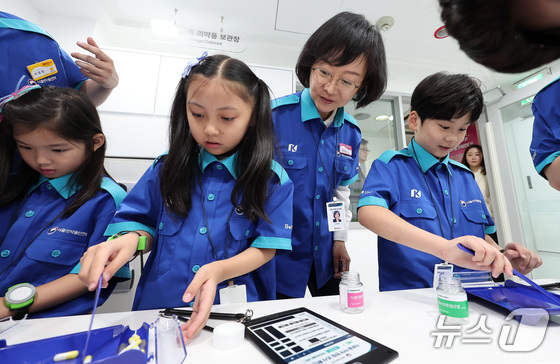
To curb demand, the Ministry is significantly expanding prevention education for youth. This year, they aim to reach 2 million students – 40% of all middle and high schoolers – up from 620,000 in 2023. The program also includes education for parents and school principals.
To improve the quality of prevention education, the Ministry is offering teacher training programs and developing interactive, experiential content using metaverse and gaming platforms. They’re also running programs that directly involve students, such as youth drug prevention activity groups.
Additionally, the Ministry is launching advertising campaigns on bus routes frequented by students, spreading the message that there’s no such thing as a study drug. They’re also collaborating with organizations like the Korean Federation of Private Education to conduct prevention campaigns in tutoring centers and study cafes.
To restrict supply, the Ministry is focusing on strengthening prescription management. They’ve mandated reporting at all stages of drug handling and, since last June, have advised 5,013 medical institutions prescribing ADHD medications to verify patients’ medication histories.
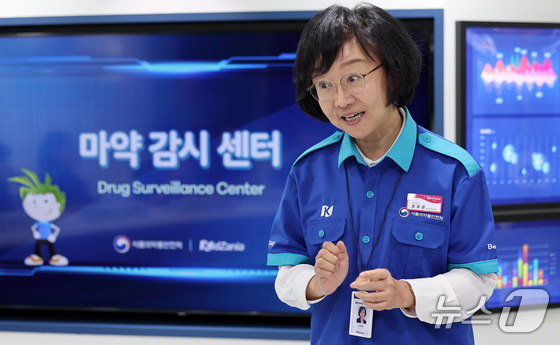
The Ministry is also developing an AI-based surveillance system (K-NASS) to analyze prescription data and detect potential misuse early. They’re intensifying real-time monitoring of illegal transactions on social media and online communities, and closely scrutinizing medical institutions with unusually high prescription rates.
Minister Oh concluded her YouTube interview by expressing hope that healthy individuals will avoid using ADHD medications for non-medical purposes. She emphasized the importance of education in preventing misuse, stating that she believes it’s crucial for the children to understand that they can’t live their lives through medication. This realization is essential for their future.